
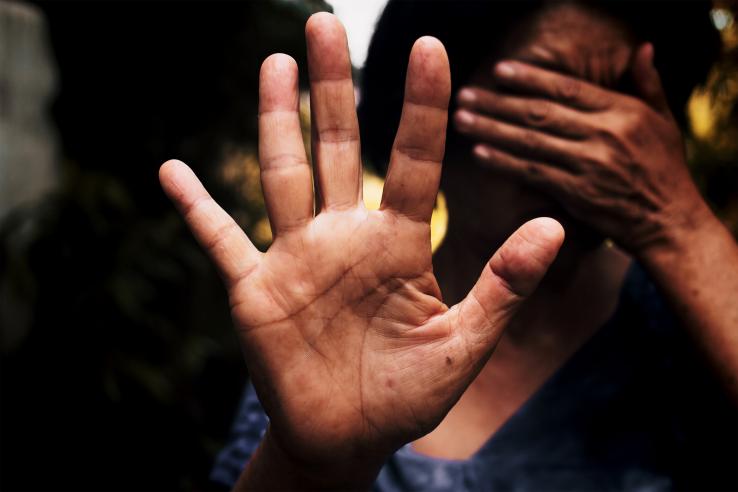
Healing from addiction could curb gender-based violence.
During the 16 Days of Activism Against GBV, COVED seeks to break the connection between addiction and gender-based violence. Healing from trauma and addiction could mean ending violence.
Introduction
Addictions be alcohol, drugs, gambling, pornography, social media, work, or toxic relationship dependency, are deeply interconnected to Gender-Based Violence (GBV). Each fuels the other, trapping survivors in cycles of trauma, shame, and vulnerability (WHO, 2014; UNODC, 2018).
Understanding this two-way relationship is critical for communities, policymakers, and health practitioners who aim to protect families and promote equitable development.
How Addiction Drives GBV
- Alcohol & Drugs: Impaired judgment, emotional dysregulation, and aggression increase the risk of intimate partner violence (Foran & O’Leary, 2008; García-Moreno et al., 2013).
- Gambling: Financial instability, secrecy, and coercive control often lead to economic abuse (Dowling et al., 2016).
- Pornography / Sex Addiction: Distorted views of consent and power increase sexual coercion and emotional abuse (Wright et al., 2016).
- Work Addiction: Chronic neglect and stress can create conditions for psychological abuse (Clark et al., 2016).
- Social Media Addiction: Cyber-surveillance, jealousy, and controlling behaviours intensify relational abuse (Elphinston & Noller, 2011).
- Toxic Relationship Addiction: Emotional dependency traps individuals in abusive cycles (Dutton & Painter, 1993).
How GBV Drives Addiction
- Survivors experience trauma, depression, anxiety, and PTSD (Devries et al., 2013).
- Substances or compulsive behaviors are often used as coping mechanisms.
- What begins as survival may develop into dependency, reinforcing vulnerability to further abuse (UNODC, 2018).
Cameroon-Specific Evidence Box
Did You Know?
- Studies in Cameroon indicate that intimate partner violence is often linked with alcohol misuse, with higher prevalence in households experiencing economic stress (Mota et al., 2021).
- Gambler’s addiction, pornography, and social media-related compulsions are emerging challenges among youth in urban regions.
- Women and children in rural and conflict-affected zones are particularly vulnerable due to limited access to mental health services and cultural stigma against reporting violence.
- Economic dependency and traditional gender norms often trap survivors in abusive households, allowing both addiction and GBV to thrive silently.
Consequences
- Physical injury, mental health disorders, social isolation, and chronic illness.
- Disrupted family dynamics and caregiving roles.
- Children exposed to these cycles face increased emotional distress, poor educational outcomes, and higher risk of future addiction or violence (WHO, 2014).
- Societal costs include healthcare burden, lost productivity, and increased social inequality (UN Women, 2022).
Breaking the Cycle
- Integrated Services: GBV and addiction programs should screen for each other.
- Trauma-Informed Care: Mental health services must address PTSD, depression, and chronic stress.
- Economic Empowerment: Livelihood programs and social protection can reduce vulnerability.
- Community Engagement: Faith leaders, traditional authorities, and civil society should promote accountability and stigma reduction.
- Policy Action: Coordinated interventions across health, social protection, and justice sectors are critical.
Call to Action
- To survivors: You are not weak, and you are not to blame.
- To communities: Silence protects harm; awareness protects people.
- To institutions: Integrated action is not optional—it is essential.
Ending GBV requires confronting addiction. Addressing addiction requires healing trauma.
#CowedAgainstAddiction#YouForOthers#BreakTheCycle#AddictionAwareness
No responses yet